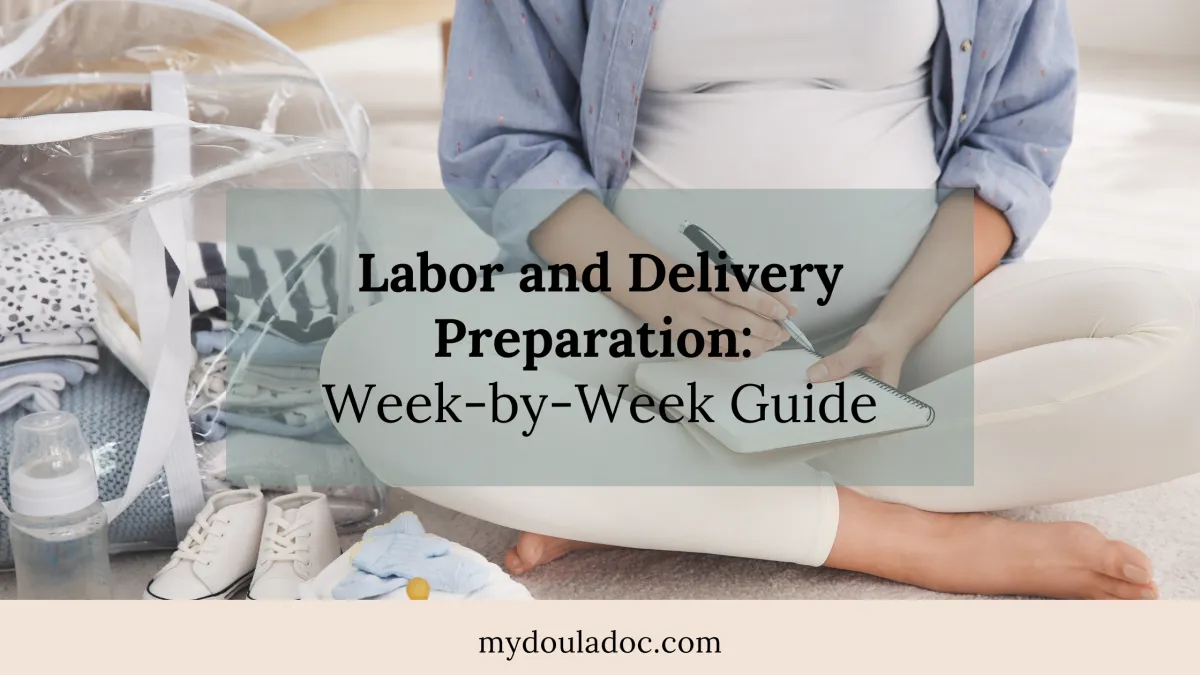
Labor and Delivery Preparation: Week-by-Week Guide
Birth isn’t a test you pass. It’s a major life transition that goes best with steady preparation, compassionate pregnancy care, and support you trust. This week-by-week guide breaks labor prep into simple steps so you feel grounded, informed, and ready—without cramming everything into the last month. Use it as a flexible roadmap, not a rigid checklist.
Weeks 28–31: Build your foundation
Clarify your values: What matters most—mobility, minimal interventions unless necessary, cultural practices, a calm room, skin-to-skin, delayed cord clamping? Write your full list and star 3 priorities.
Learn the basics: Review stages of labor, signs of true labor vs. early labor, when to call/arrive, and what to expect with monitoring, IVs, and pain options. Evidence-based pregnancy education helps you anchor decisions.
Choose your team: Confirm your primary provider, place of birth, and who will be with you (partner, doula, trusted friend). Comprehensive pregnancy support means medical and emotional care.
Keep Moving: Gentle mobility, pelvic floor breathing, and daily walks. Focus on comfort and nervous system regulation, not perfection.
Mental health check: Name mixed emotions during pregnancy—excitement and fear can coexist. If anxiety is high or past trauma is resurfacing, connect with a therapist or perinatal support group now.
Weeks 32–35: Practice skills and plan support
Comfort toolkit: Test labor positions (upright, side-lying, hands-and-knees), heat packs, shower/bath, counterpressure, TENS, breath patterns, and visualization. Your partner can learn 2–3 go-to techniques.
Communication scripts: Practice BRAIN questions for recommendations (Benefits, Risks, Alternatives, Intuition, Nothing/Next). Advocacy is easier when rehearsed.
Draft birth preferences: Include mobility preferences, fetal monitoring approach, pain relief preferences, pushing positions, immediate newborn care, and feeding intentions. Patient-centered care in pregnancy starts with clarity. Bring these to a prenatal appointment to review with your provider beforehand.
Logistics: Childcare/pet care list, transportation plan, hospital bag short list (ID, charger, lip balm, snacks, comfy layers, baby basics).
Community support: Line up non-medical help—meals, house reset, rides, dog walks. Postpartum self care begins before birth.
Weeks 36–38: Finalize and walk through the plan
Understand inductions: If induction is on the table, learn methods (cervical ripening, Pitocin, AROM), timelines, and how to keep labor active. Remember a medical induction is different from an elective induction!
Practice “early labor at home”: Try rest, light food, hydration, and alternating activity with relaxation. Cue your parasympathetic system—dim lights, slow breathing, familiar music.
Prepare your space: If laboring at home first, gather comfort items. Pack your bag and keep it near the door. Remember to prepare your space for postpartum too! Think about freezer meals, snack stations, products of healing and comfort after birth.
Check your mindset: Becoming a mother includes identity shifts. Create two affirmations that feel true, not cheesy—e.g., “My body and my baby are working together” and “I can pause and ask for what I need.”
Weeks 39–40+: Game day mindset and shared decision-making
Know your green/yellow/red flags: Green = early labor signs you can manage at home; Yellow = call to review; Red = go in now (bleeding, fluid with ongoing leakage, decreased fetal movement, severe headache/vision changes, chest pain).
Time your arrival: Review your provider’s guidance for when to come in based on contractions, water breaking, GBS status, or high-risk factors.
Pain support plan: Decide your first-line tools and when you might consider nitrous, IV meds, or epidural. There’s no “right way”—only your way.
Pushing and immediate postpartum: Discuss positions, cord clamping preferences, skin-to-skin, and feeding support. Ask your provider during prenatal care and voice your preferences when you are admitted to the hospital so that your hospital team can support you.
If plans change: Use BRAIN questions and ask, “Is this urgent or do we have time?” Document preferences in your chart. Compassionate, patient-centered care means your voice stays central—even in curveballs.
Quick packing and prep list
Essentials: ID, insurance card, charger, glasses/contacts, chapstick
Comforts: Robe, socks/slippers, snack bars
Baby: Onesie, blanket, car seat installed
Partner: Change of clothes, snacks, list of your comfort cues and scripts
Preparation is less about memorizing protocols and more about building trust—in your body, your team, and your ability to ask for what you need. Take it week by week, keep your plan flexible, and let support be part of the plan.
Want to feel prepared for every appointment? Download our free guide for expecting parents - The “Informed” Pregnancy Prenatal Checklist
