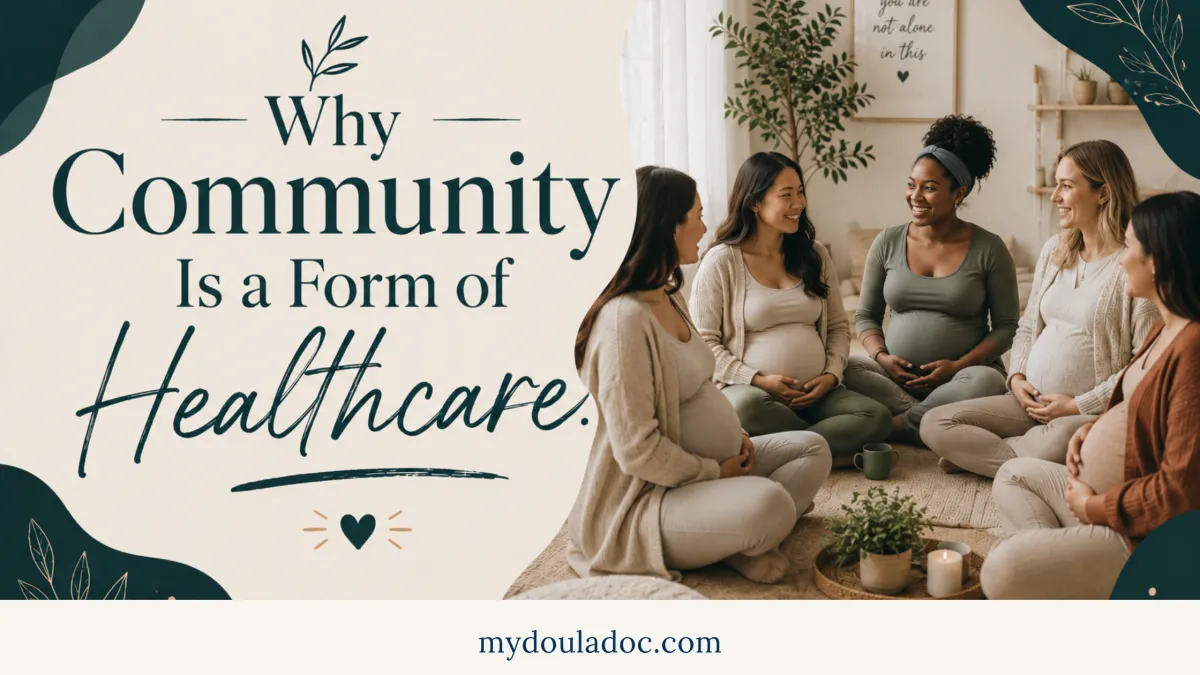
Why Community Is a Form of Healthcare
Why Community Is a Form of Healthcare
When people think about healthcare, they often picture doctors, medications, hospitals, and treatment plans. While these are important parts of the team, there's another powerful factor that often gets overlooked: community.
The people around us—friends, family, neighbors, support groups, and online communities—can have a significant impact on our well-being. In fact, growing research shows that social connection is closely linked to both physical and mental health.
Healthcare isn't only what happens in a clinic. It also happens through conversations, relationships, and the support we receive from those who understand our experiences.
The Health Impact of Connection
Humans are wired for connection. We thrive when we feel seen, heard, and supported.
When we have meaningful relationships, we are often better equipped to manage stress, navigate challenges, and maintain healthy habits. On the other hand, prolonged isolation and loneliness can negatively affect both emotional and physical health.
Community provides something many healthcare systems cannot always offer: ongoing encouragement and understanding between appointments and life events.
Community Reduces Feelings of Isolation
One of the most difficult parts of facing health challenges, pregnancy, parenting, caregiving, or major life transitions is feeling like you're the only one struggling.
Community reminds us that we're not alone.
Hearing someone say, "I've been through that too," can be incredibly reassuring. Shared experiences help normalize challenges, reduce shame, and create a sense of belonging.
Knowing others understand what you're experiencing can make difficult situations feel more manageable.
Support Doesn't Have to Be Perfect
Many people hesitate to seek support because they believe they need to have close friendships or a large social network.
The reality is that meaningful connection often comes from small interactions.
Support can look like:
A friend checking in with a text message
A local support group
An online community
A neighbor offering help
A trusted family member who listens without judgment
These simple connections can have a powerful impact on emotional well-being.
Community Encourages Healthy Habits
It's often easier to care for ourselves when we don't feel alone.
Supportive communities can encourage healthy behaviors such as:
Prioritizing rest
Managing stress
Attending healthcare appointments
Seeking professional support when needed
Maintaining healthy routines
When people share ideas, encouragement, and practical solutions, self-care can feel more realistic and sustainable.
Emotional Support Matters
Healthcare providers play a vital role in diagnosing and treating health conditions, but emotional support often comes from our communities.
Sometimes what people need most is not another piece of advice but a safe space to talk, vent, ask questions, and feel understood.
Being able to share experiences without fear of judgment can reduce stress and increase resilience during difficult seasons of life.
Building Community Looks Different for Everyone
Community doesn't have to mean attending large events or constantly socializing.
For some people, community may be a close-knit group of friends. For others, it may be an online support group, a parenting community, a faith-based organization, or a local wellness group.
The goal isn't to have the largest network possible. It's to cultivate meaningful connections that provide support, understanding, and encouragement.
Community Is Preventive Care, Too
We often think about healthcare as something we seek when problems arise. But community can act as a form of preventive care.
Strong social connections have been associated with improved well-being, reduced stress, and greater emotional resilience. Having people to turn to during difficult times can help us navigate challenges before they become overwhelming.
In this way, community becomes more than social interaction—it becomes part of caring for our overall health.
Final Thoughts
Healthcare extends beyond doctor's offices and treatment plans. It includes the relationships that help us feel supported, understood, and connected.
Whether you're navigating pregnancy, parenting, caregiving, chronic illness, or everyday life stress, community can provide encouragement, perspective, and comfort when you need it most.
You don't have to do everything alone. Sometimes one of the most important forms of healthcare is simply having people who remind you that you're not carrying the weight by yourself.
Join Our Community
Looking for support, encouragement, and practical self-care ideas?
👉 Join our supportive Facebook community and get simple, realistic self-care ideas every week. Join Here
